11+ Guides for Birmingham Parents
Straight, accurate guidance on the West Midlands grammar school test, from a tutor of 20+ years.

The West Midlands 11+: A Complete Parent's Guide
The West Midlands 11+ explained: the shared GL Assessment test taken by 19 grammar schools, how the age-standardised score around a median of 200 works, catchment areas, key dates and how to prepare.
All guides
141 guides
Queen Mary's High School Walsall 11+: A Tutor's Guide
Queen Mary's High School is the girls' grammar in Walsall. What it publishes, what it does not, why Birmingham families should consider it, and why travel decides most of these cases.
Queen Mary's Grammar School Walsall 11+: A Tutor's Guide
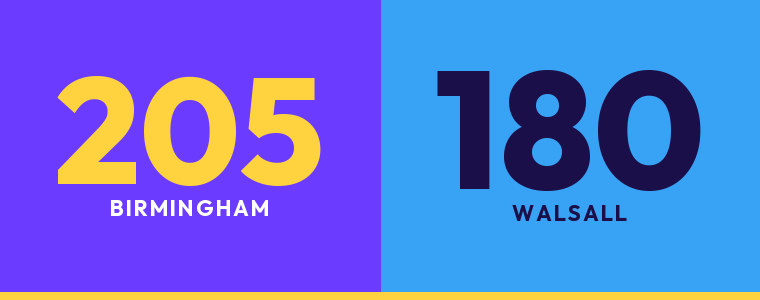
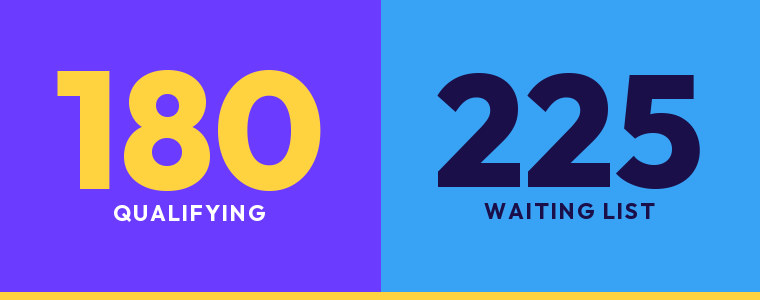
Queen Mary's sets a Minimum Qualifying Score of 180, not Birmingham's 205. What that means for a child who missed the Birmingham threshold, and how Birmingham families are treated.
Grammar School Waiting Lists in Birmingham: How They Really Move
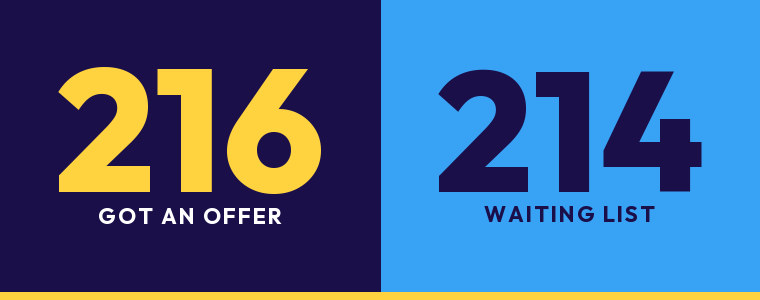
A waiting list is an active queue, not a polite no. When Birmingham lists actually move, how to find your position, and why Walsall is easier to chase.

11+ tutor red flags: what to walk away from
Including the first one: a tutor who tells you that you definitely need a tutor. What to ask before you commit, and what good practice actually looks like.

An 11+ revision timetable that survives contact with real life
Thirty minutes to an hour, every day, beats a long session once a week. How to build a timetable that holds up, and what to do in the week it falls apart.

Is the 11+ actually worth it? An honest look
From a tutor who sells 11+ material: who it is genuinely worth it for, who it is not, and what the year actually costs.

Motivation and rewards during the 11+ year
Why the same class that motivates one child demotivates another, what to reward, and the one thing that reliably destroys morale at the worst possible moment.

Moving from a private primary to a grammar school
Whether a prep school gives an advantage in this test, what the honest evidence is, and the specific assumptions that catch these families out.

Preparing two children for the 11+ at the same time
Twins, or siblings in the same year. What actually changes, how to handle different abilities, and the comparison problem that is the real difficulty.

Screen time during the 11+ year: what actually helps
The useful question is not how many hours but what the screen is displacing. Where screens genuinely help 11+ preparation, and the two that are worth protecting.

The 31 October Deadline: Applying for a Birmingham Secondary Place
The 31 October preference form is the actual application, not the 11+ registration. What a late application really costs, and how to make the deadline a non-event.
What Year 7 at a Birmingham grammar school is really like
The arithmetic nobody mentions: every child in the room was near the top of their primary, so half are now in the bottom half. What the schools publish, and what to ask.

When your child does not want to do the 11+
How to tell ordinary reluctance from real distress, what to change before you decide anything, and the honest case for stopping.

11+ hole punch and paper folding questions
Fold a real piece of paper and punch it. The physical exercise is the only thing that teaches these, plus an honest note on whether they appear in the West Midlands test.

11+ maths word problems: a method that works every time
The keyword method: teach a child the words that signal each operation, get them underlining, and a worded problem becomes a sum. Including two-step questions.

11+ mental maths: getting faster without getting sloppy
What a child should have automatic by the test, the short-test format that builds speed, and why the facts come before the word problems.

11+ results day: the first 24 hours
The one rule for results day: do not make a decision on it. How the results arrive, what to work out first, and why you have a fortnight rather than a day.

Christmas holidays: how much 11+ work is sensible?
An hour to an hour and a half in the morning if you are at home, and nothing at all if you are away. Why consistency beats intensity over Christmas.

Easter revision before the 11+: the last real run
Three to four hours a day in two sessions, and the nine weeks of free time that start here. What to cover at Easter with the test in September.
September of Year 5: the first month of the 11+ year
Why courses start the week of the previous year's test, what starting early actually buys, and why joining in November is not the disaster families fear.

The summer before starting Year 7 at a grammar school
Not academic work. Uniform, the route, and finding the other families doing the same journey, including the car share that solved a Birmingham to Walsall commute.

The summer before the 11+: six weeks that count
Five sessions a week, split morning and evening, and a journal. Why the journal is the part that makes six weeks work rather than just fill.

11+ inference questions: reading between the lines
Inference questions ask what the passage implies rather than what it states. How to tell them apart, the evidence rule, and how to practise without a workbook.

11+ preparation for a child with SEND in the West Midlands
What the admissions arrangements say for a child with SEND: EHCP priority, access arrangements and their early deadline, and the format challenges worth preparing for.

Grammar school or a top Birmingham comprehensive?
A grammar school is not automatically the better choice. What the selection actually measures, what a good comprehensive offers, and why the 11+ is not a verdict on a child.

How to teach a child to read for meaning, not speed
A tutor's diagnostic: have the child read aloud. Fluency and pronunciation predict comprehension, and the line reference test shows whether they really understood.

My Child Missed the Qualifying Score. What Are the Options?
205 is an absolute floor for the Birmingham grammar schools. What Pupil Premium really changes, why Walsall is a different question, and how to use the rest of the form.

The real cost of a grammar school place: uniform, travel and trips
Grammar schools here are state schools, so the costs are the same as any other. What there is no such thing as, and what support exists for pupil premium families.

The week before the 11+: what helps and what does not
The final week is for fine tuning and morale, not for hard testing. What to revise, what to stop, and why a bad mock three days before can cost more than it teaches.

Year 6 after the test: what to do from November to March
Once the preference form is in, there is genuinely nothing to do until March. What the wait actually looks like, including the part that runs past March into the summer.

Accepting your school offer: what happens next
What to do after National Offer Day: why accepting never costs you a waiting list place, the deadlines that follow, and how appeals and lists run in parallel.

An 11+ half-term revision plan that does not wreck the holiday
Half terms and holidays are when ground is genuinely made in the 11+ year. How to use them on weaknesses without turning a week off into a week of school.

Group classes or one-to-one for the 11+?
After ten years of being asked, a Birmingham tutor's answer: group classes usually win, for competitive drive and because the test itself is sat in a room full of children.

Home educated children and the West Midlands 11+
A home educated child can sit the West Midlands 11+, because eligibility is by date of birth. The obstacles are elsewhere: pupil premium, named primary schools and access arrangements.

How many practice papers should a child do before the 11+?
Full practice papers belong at the end of the preparation year, not throughout it. Short timed sections are more useful, because that is how the real test is built.

How to mark an 11+ practice paper properly
Marking an 11+ paper is easy because the answers are supplied. The part that earns marks is practising the separate answer sheet, and correcting the right way.

Is the Birmingham 11+ harder than other areas?
The Birmingham 11+ is not a harder paper than other selective regions, because the same assessment provider keeps question standards in line. What differs is competition.
The 11+ glossary: every term parents meet, explained
Every term you will meet in the West Midlands 11+, from qualifying score and priority score to AQS, PAN, equal preference and access arrangements, with what each actually means.

11+ 2D views of 3D shapes: the skill behind cubes and blocks
Seeing a 3D solid as flat views is the skill underneath cube nets and building block questions. How to teach it, and why it is practice rather than a named question type.
11+ alphabet position questions: the shortcut
Knowing where a letter sits in the alphabet speeds up codes, sequences and more. Five anchor letters and the mirror rule make it instant.

11+ complete the pair questions
Complete the pair asks you to apply a transformation. State the whole rule before looking at the options, because noticing half of it produces a confident wrong answer.

11+ letter-coded calculations explained
Letters stand for numbers, you do the sum, then convert the answer back to a letter. The last step is the one children forget, and it costs the whole mark.
11+ maths: angles, shapes and their properties
Angle questions in the 11+ must be calculated, not measured, because no protractor is allowed. The four facts that solve almost everything, with worked examples.
11+ maths: factors, multiples and prime numbers
Factors, multiples and primes for the 11+: the factor pair method, the primes to know by heart, and how to find a highest common factor or lowest common multiple quickly.

11+ maths: money, change and best value
Money questions in the 11+: finding best value with unit pricing, giving change by counting up, and the multi-step table problem from the official guide.

11+ maths: negative numbers and where they appear
Negative numbers in the 11+: the number line method, temperature and difference questions, and why subtracting a negative adds.

11+ maths: number sequences and patterns
How to solve 11+ number sequence questions: find the differences first, the five patterns worth knowing by sight, and what to do when the gaps keep changing.

11+ maths: probability without overthinking it
Probability in the 11+ is counting, not theory: how many ways it can happen over how many outcomes there are, with the scale from impossible to certain.

11+ maths: the algebra children are expected to know
The algebra that appears in the 11+: function machines, forming expressions from words, and solving simple equations by undoing in reverse.
11+ maths: time, timetables and speed
Time questions in the 11+: counting duration in chunks instead of subtracting, reading a timetable, and the speed formula with worked examples.

11+ non-verbal codes: horizontal and vertical
Code questions give shapes two-letter codes. Each letter position controls one feature, so the method is to work out what each position means separately.

11+ non-verbal matrices explained
Matrix questions in the 11+: read the rows, confirm against the second row, then check the columns. The missing box has to satisfy both, which gives you a free check.

An 11+ reading list for Year 4
A Year 4 reading list for the 11+: fiction that builds stamina and vocabulary, the non-fiction most lists leave out, and how to use a book so the words actually stick.

An 11+ reading list for Year 5
A Year 5 reading list for the 11+: older, denser fiction for register and inference, non-fiction that explains rather than lists, and two habits that turn reading into marks.
How to Rank Your School Preferences After the 11+ Result
How the equal preference system really works, why ranking a school first does not help, and why last year's score table misleads more families than it helps.

11+ comprehension: every question type explained
The four question types in the West Midlands 11+ English section, taken from the official familiarisation guide: retrieval, Choose TWO, vocabulary in context and word class.

11+ missing letter questions: the Words in sentences type
Three letters removed from a word, and three to put back. The official method, the conditions that must all hold, and why predicting the word first makes it fast.

Ashlawn School 11+: how partial selection actually works
Ashlawn School is partially selective, not a grammar school: three routes in, a Modern Language aptitude test, and why missing the qualifying score does not end the application.
Compound words and word building in the 11+
Compound words in the 11+: where they appear across the question types, the method for two-group questions, and a two minute game that builds the stock.

King Edward VI Camp Hill School for Girls 11+: scores, places and catchment
Camp Hill School for Girls 11+: 150 places, the five-category allocation order, the 25% reserved for pupil premium, and what a south Birmingham address means.

King Edward VI Handsworth School for Girls 11+: places, scores and later entry
Handsworth School for Girls 11+: 192 places, the largest girls' intake in Birmingham, the allocation order, and the unusually clear route to joining after Year 7.

King Edward VI School Stratford-upon-Avon 11+: boys, and 87 places
King Edward VI School Stratford 11+: a boys' grammar with a co-educational sixth form, 87 Year 7 places, the smallest intake in the partnership, and the Stratford priority circle.

Lawrence Sheriff School 11+: Rugby's boys' grammar school
Lawrence Sheriff School 11+: 150 places, a co-educational sixth form, the Committee of Reference that sets the score after the test, and the Rugby priority circle.

Rugby High School 11+: entry, scores and the priority circle
Rugby High School 11+: 150 places for girls, the eastern priority circle measured from the Rugby Water Tower, and how the Automatic Qualifying Score is set.
Spelling, punctuation and grammar in the 11+
There is no separate SPaG section in the West Midlands 11+. Where grammar and spelling are actually tested, the word classes to know, and the drills that are not worth the time.

Stratford Girls' Grammar School 11+: what it takes
Stratford Girls' Grammar School 11+: 120 places, the smallest Warwickshire intake, the southern priority circle, and why a small intake is a competitive signal.

11+ 3D building blocks: counting cubes without losing marks
How to solve 11+ 3D building block questions: count by layer including hidden cubes, name the standard pieces, and work out the missing piece by subtraction.

11+ Results Day: What Your Child's Score Actually Means
When 11+ results arrive in Birmingham, what the age-standardised score means, why 205 is not a pass mark, and why catchment decides more than the number does.

11+ cube nets: how to fold a net in your head
Cube nets explained for the 11+: the two rules for opposite faces, how to anchor a folded cube, and why cutting one out beats a term of worksheets.

11+ maths: ratio and proportion, the topic that separates the field
11+ ratio and proportion explained: the three step method, two worked examples, the harder variants, and why a shaky times table shows up here first.

11+ synonyms and antonyms: the pairs that keep coming back
11+ synonyms and antonyms are pure vocabulary. A three stage method that actually works: the pair, the definition, then the word met inside a real passage.

Moving to Birmingham for the grammar schools: where to actually live
Relocating to Birmingham for a grammar school: pick the school, get its catchment, then choose the address. Plus the non-selective schools families forget to check.

11+ anagrams: how to solve them without guessing
A reliable method for 11+ anagram questions: strip the common endings, count the vowels, and work backwards from the options. Plus why vocabulary sets the ceiling.

11+ letter and number codes explained, with worked examples
How to solve 11+ code questions: constant shifts, changing shifts, number codes and matching shuffled codes to words. With worked examples and the habit that saves marks.
11+ letter sequences: the method that makes them automatic
How to solve 11+ letter sequence questions: write the alphabet, count the gaps not the letters, and spot the mirror pattern most children miss. With worked examples.
11+ maths: area, perimeter and volume
11+ area, perimeter and volume: the six formulas to memorise, compound shapes, the perimeter trap most children fall into, and getting the units right.

11+ maths: fractions, decimals and percentages
11+ fractions, decimals and percentages: the conversions to memorise, building percentages from 10%, and the reverse percentage question where most marks are lost.
11+ maths: mean, median, mode and range
11+ averages explained: the four rules, all worked on one set of numbers, the median trap, and how to work backwards from a mean to find a missing value.

11+ non-verbal reasoning: reflection and symmetry
How to solve 11+ reflection questions: find the mirror line, use the nearest-stays-nearest rule, and tell a reflection from a rotation. Plus lines of symmetry worth knowing.
11+ non-verbal reasoning: rotation questions
How to solve 11+ rotation questions: track one marker on a clock face, eliminate fast, and spot the mirror image hiding among the options.

11+ non-verbal reasoning: series and sequences
How to solve 11+ non-verbal series questions: check number, size, shading, rotation and position in a fixed order, split two patterns apart, and handle matrices.

11+ odd one out and analogy questions
How to solve 11+ odd one out and analogy questions: find the rule four shapes share, run the checklist, state the full transformation, and eliminate rather than select.

11+ shuffled sentences: a method that actually works
How to solve 11+ shuffled sentence questions: find the verb first, build outwards, place small words last, and let the spare word reveal itself. With a worked example.

11+ tutoring costs in Birmingham: what is reasonable
11+ tutoring in Birmingham costs roughly £20 to £50 an hour, or £150 to £300 a month. What justifies a higher rate, why online has grown, and group versus one to one.

Are there past papers for the West Midlands 11+?
No school releases past papers for the West Midlands 11+, so every practice paper is a reconstruction. How to judge material on format, and what a printed paper cannot do.

Birmingham grammar school open evenings: what to actually ask
What to ask at a Birmingham grammar school open evening: the five questions that decide your application, what your child should look at, and what not to be swayed by.

Can a child join a Birmingham grammar school after Year 7?
In-year entry to Birmingham grammar schools: how vacancies arise, the school-set test, the waiting list from 1 March, and why Year 12 is the properly plannable route.

Can you apply to grammar schools in two different areas?
Yes, and inside the West Midlands one test covers all 19 schools. The sharing step that stops people, applying beyond the partnership, and why you only ever use one form.

Can you resit the 11+ in the West Midlands?
No, there is one shared test sat once in September of Year 6. What happens if your child is ill, which deadline really ends it, and the in-year route in later years.

Do you have to live in the catchment to get a grammar school place?
No, but catchment decides which oversubscription category your child falls into, which decides more outcomes than the score. The published criteria, school by school.
Extra time and access arrangements for the 11+
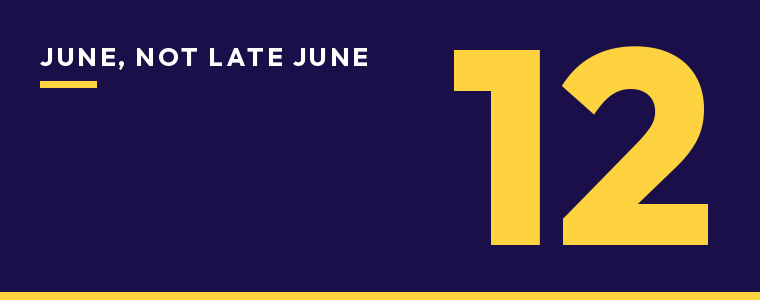
11+ access arrangements close about a fortnight before registration, at 4pm on 12 June for 2027 entry. Who should apply, how to request them, and what is not published.

GL Assessment or CEM: which test do West Midlands grammar schools use?
The West Midlands partnership uses one shared GL Assessment test across all 19 schools. The format, why old CEM advice misleads, and what practice material can honestly offer.

Hidden word questions in the 11+, explained properly
How to solve 11+ hidden word questions: work the boundaries in order, check all three splits, and ignore what the sentence means. With three worked examples.

Missed the 31 October deadline? What happens next
Missing the Birmingham school application deadline: what late means, the exceptional circumstances window in early November, and why it is far less serious than it feels.

Sibling priority and the 11+: does an older child help?
Sibling priority at West Midlands grammar schools is usually only a tie-breaker, and at some schools does not exist. What the policies say, and who counts as a sibling.

Starting Year 4: the 11+ runway that actually works
The best time to start 11+ preparation is Year 3 or Year 4, building English and maths foundations rather than doing papers. What to do each year, and what to avoid.

The 11+ books worth buying, and the ones to skip
Which 11+ books are worth your money, which to avoid, and why working on paper by hand matters more than the brand on the cover.

What happens if you move house after applying for a school place?
Moving house changes your catchment and distance. Who to tell, what evidence to keep, how timing changes the outcome, and why a place on an old address can be withdrawn.
11+ appeals in Birmingham: grounds, timing and the honest odds
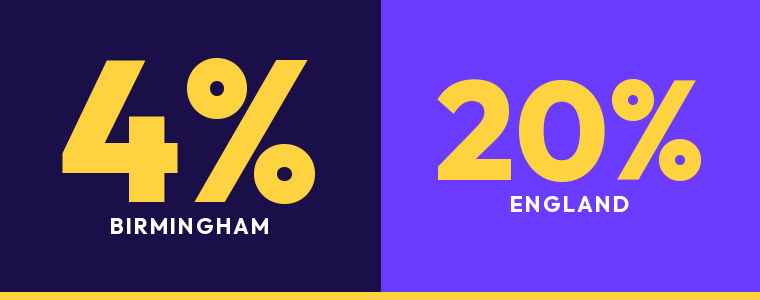
Birmingham upheld about 4% of secondary transfer appeals in 2025. What counts as a ground, the deadlines, why selective appeals are harder, and why the waiting list usually beats it.

11+ exam day in the West Midlands: what actually happens
What really happens on West Midlands 11+ test day: two papers, individually timed sections you cannot return to, audio instructions, and the answer sheet that is all that is marked.
All 19 West Midlands grammar schools compared: who sets the score, and who you can actually apply to
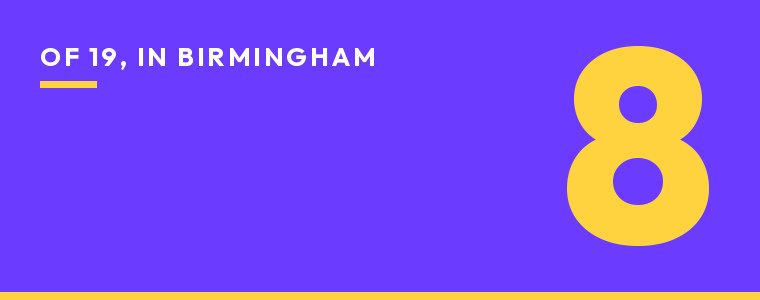
The complete list of 19 West Midlands grammar schools, grouped by who sets the qualifying score, plus the registration step and the catchment maps that cost families places.

Birmingham boys' grammar schools compared: the pairs, the standalone, and the two-offer corner
Birmingham's boys' grammar schools compared: how the schools pair up, why King Edward VI Aston stands alone, and where a boy can be in catchment for two schools at once.

Birmingham girls' grammar schools compared: catchment first, then the score
The Birmingham girls' grammar schools compared: which are open to your address, how catchment outranks the score, and the options just outside the city on the same test.

Birmingham independent school fees and bursaries: what they actually cost
Birmingham independent school fees for 2026/27, including VAT, plus the means-tested bursaries: at King Edward's an income under £28,000 can mean a free place.

Do you need a tutor for the 11+? An honest answer from one
A Birmingham 11+ tutor on whether tutoring is actually necessary: what the test demands, where one to one genuinely helps, and what tutoring really costs across a year.

Grammar school or independent school in Birmingham? You can do both
Grammar school or independent school in Birmingham: the two entrance tests are a month apart, so you can sit both. The formats, the interview, the fees and the bursaries.

How many hours a week should an 11+ child actually do?
How much 11+ preparation a child really needs: 30 to 60 minutes daily, why that beats long weekly sessions, and how to build the habit without a nightly fight.
How to Register for the West Midlands 11+, Step by Step
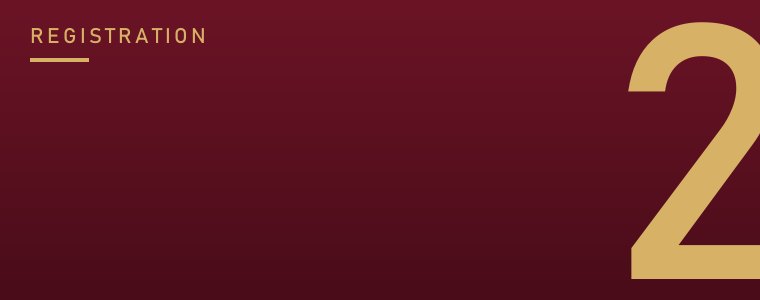
A step by step guide to registering for the West Midlands 11+: what to have ready, the photograph upload, the Pupil Premium form that changed, and the mistakes made every year.

Managing 11+ pressure without burning your child out
Most 11+ stress is created by starting late, not by the test. The signs of burnout, why parental anxiety is contagious, and what actually lowers the temperature.

Preparing for the 11+ without a tutor
How to prepare for the 11+ without a tutor: diagnose the weaknesses first, build a daily routine, and why parental involvement matters more than subject expertise.
Pupil Premium and the 11+: the priority places most families miss
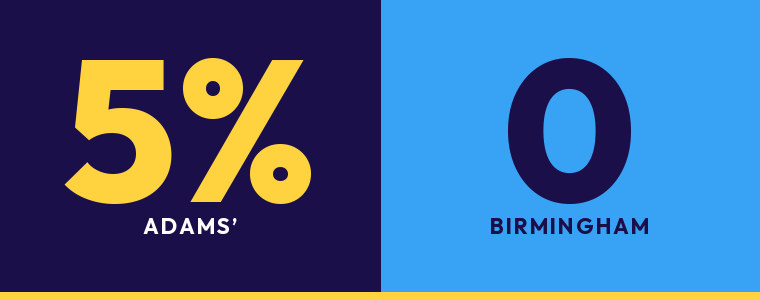
Pupil premium priority at West Midlands grammar schools: why it does not lower the score in Birmingham but does at Adams' and Wolverhampton, and the form that stops families.

Registering for the 2028 West Midlands 11+: dates, deadlines and the boxes that matter
How and when to register for the 2028 West Midlands 11+: the expected May to June 2027 window, why registration is not the same as applying, and the boxes families miss.

Starting Year 5: your 11+ year, month by month
A month by month plan for the 11+ year: diagnose in September, build the routine, work topics progressively, register in May, consolidate over summer. From a Birmingham tutor.

Summer-born children and the 11+: how age standardisation helps
How age standardisation works in the West Midlands 11+, how much it actually helps a summer-born child, and why exposure matters more than birth month.
The 11+ vocabulary that actually comes up
No one can publish the West Midlands 11+ word list, because no past papers are released. What can be said: which question types test vocabulary, and how to actually build it.

Which Birmingham grammar school is easiest to get into?
There is no easier Birmingham grammar school, because there is no easier test. What actually decides your odds is catchment, and why last year's cut-off is not a target.

Alcester Grammar School 11+: 150 places, the priority area, and the co-educational option
Alcester Grammar School 11+ entry: 150 co-educational Year 7 places, a priority area measured from Stratford, and a qualifying score set after the test. What it means from Birmingham.
Haberdashers' Adams 11+: places, scores, boarding and the registration trap
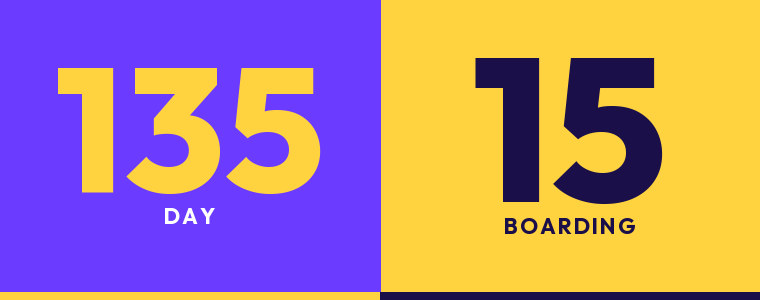
Haberdashers' Adams 11+ entry explained: 135 co-ed day places, 15 boys' boarding places, how pupil premium lowers the score, and the registration tick box that disqualifies people.

Newport Girls' High School 11+: places, the qualifying score and who it is really for
Newport Girls' High School 11+ entry: 120 places, a qualifying score set by panel after the test, no sibling priority, and a pupil premium route that needs a Telford primary.
Walsall grammar schools: why the scores differ from Birmingham
Walsall grammar schools use the same 11+ test as Birmingham but set their own, lower qualifying scores. The published figures, what each one means, and how to use them.

Warwickshire grammar schools: all six, how the scores are set, and who they suit
The six Warwickshire grammar schools, the Committee of Reference that sets each Automatic Qualifying Score after the test, priority areas, and what it means for Birmingham families.

Wolverhampton Girls' High School 11+: entry, scores and how Birmingham families apply
Wolverhampton Girls' High School 11+ entry explained: 180 places, no catchment area, and places allocated on test score. What that means for Birmingham families.

The Birmingham 11+ Timeline and Key Dates
Every West Midlands 11+ date in order: access arrangements in June of Year 5, registration late June, the test in September, results in mid-October, the 31 October council deadline and offers on 1 March.
11+ English and Comprehension: The Technique That Adds Marks
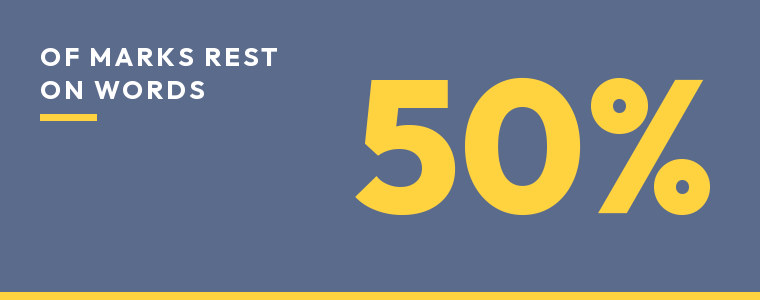
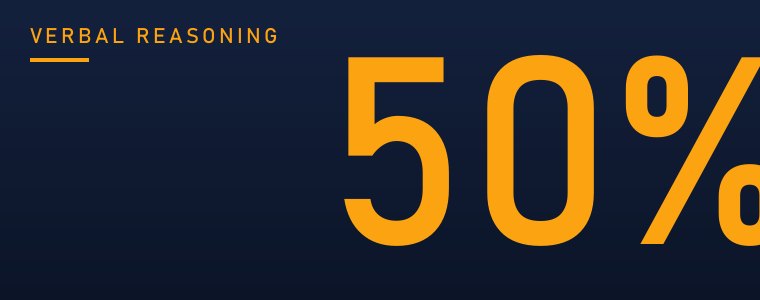
English and verbal reasoning carry 50% of the West Midlands 11+. What the comprehension section asks, why reading fluency predicts the result, and the technique worth teaching.

11+ Maths: The Topics Tested and Where Children Lose Marks
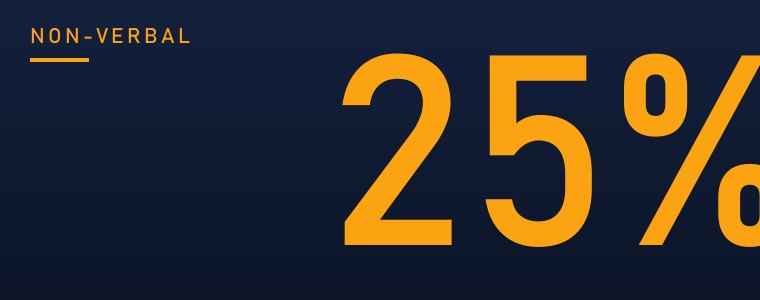
11+ maths is 25% of the West Midlands test and mostly worded problems. The topics that come up, why one question often needs three of them, and where marks are actually lost.
Verbal Reasoning for the West Midlands 11+
Verbal reasoning sits inside the 50% English and VR half of the West Midlands 11+. The question types, which ones are quick to teach, and where the marks gap really opens.
Non-Verbal Reasoning for the West Midlands 11+
Non-verbal reasoning is 25% of the West Midlands 11+. The question types that actually come up, the two that separate children, and what the official guide leaves out.
A Year 5 11+ Study Plan, Week by Week
A realistic Year 5 11+ study plan: why six weeks is the floor, how to use Easter and the half terms, what a week actually looks like, and the part most plans leave out.
11+ Mock Exams: Why, When and How to Use Them
When to sit the first 11+ mock, what they cost in the West Midlands, and the feedback limitation nobody mentions before you pay.

When Should My Child Start Preparing for the 11+?
Year 4, about twenty-four months before the test. Why that is the optimum, what Year 3 should be spent on, and whether Year 5 is genuinely too late.
11+ Spatial Reasoning: What the West Midlands Test Actually Asks
Spatial reasoning is named in the West Midlands 11+ but sits inside the non-verbal section. What the official guide shows, what it leaves out, and how to prepare.
Sutton Coldfield Grammar School for Girls 11+: A Tutor's Guide
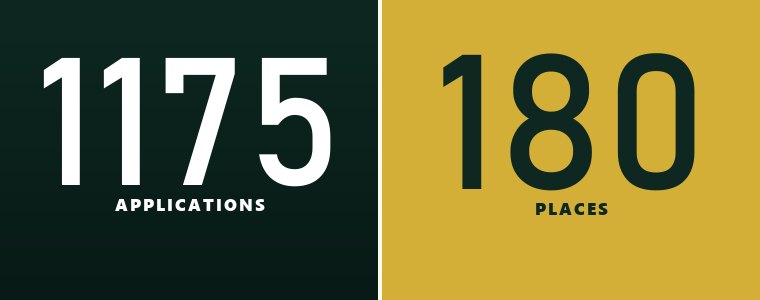
Sutton Coldfield Grammar School for Girls 11+ guide: 180 places, no residence requirement, the 205 qualifying score, and 1,175 applications in 2025.
Bishop Vesey's Grammar School 11+: A Tutor's Guide
Bishop Vesey's 11+ guide: 192 boys' places, no catchment area, no sibling priority, the 38 place pupil premium cap and the 205 qualifying score for 2027 entry.
King Edward VI Handsworth 11+: A Tutor's Guide to Both Schools
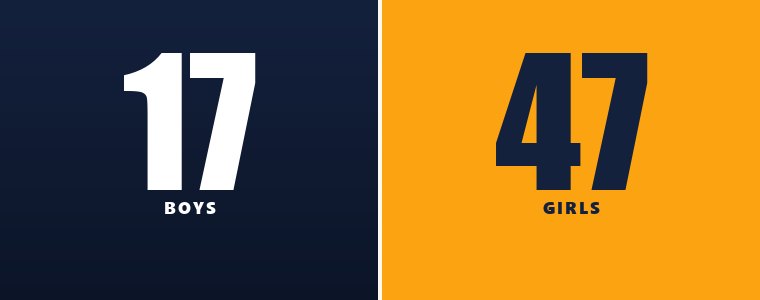
Handsworth grammar 11+ guide: 150 places for boys and 192 for girls, two very different catchments of 17 and 47 wards, and the sibling link between them.
King Edward VI Aston 11+: A Tutor's Guide
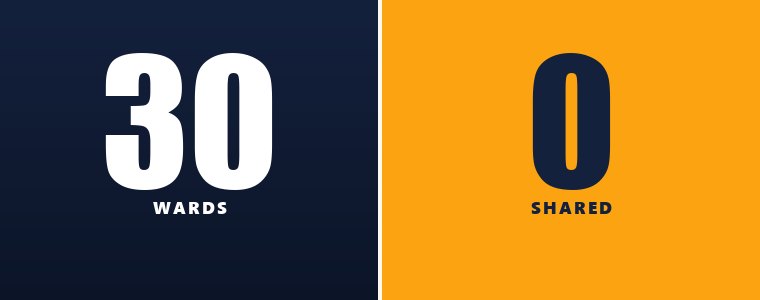
King Edward VI Aston 11+ guide: 140 boys' places, a thirty ward catchment spanning Birmingham and Solihull, all of Sutton Coldfield, and the 205 and 224 scores.
King Edward VI Camp Hill 11+: A Tutor's Guide to Both Schools
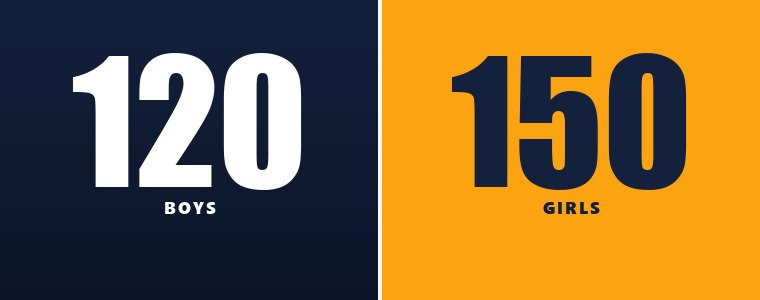
Camp Hill grammar 11+ guide: two schools on one road, 120 places for boys and 150 for girls, the eighteen shared catchment wards, and the 205 and 224 scores.

King Edward VI Five Ways 11+: A Tutor's Guide
King Edward VI Five Ways 11+ guide: 180 places, the only co-ed Birmingham grammar, the 15 catchment wards, the 205 and 224 scores, and how places are allocated.

Birmingham Grammar Schools: The Complete Guide to All 8
All eight Birmingham grammar schools compared: which are King Edward VI Foundation, which is co-educational, the shared entrance test, and the 205 and 224 scores for 2027 entry.
King Edward VI Foundation Catchment and Priority Scores Explained
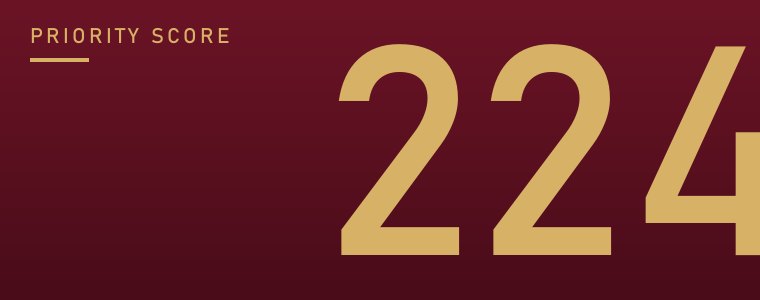
King Edward VI Foundation catchment areas explained: the ward-based maps, the 205 qualifying score and 224 priority score for 2027 entry, and how places are actually allocated.

What Is a Good 11+ Score in Birmingham?
What counts as a good 11+ score in Birmingham: the 205 qualifying and 224 priority scores for 2027 entry, how the 200 scale works, and why it is not the national 100 scale.

The Birmingham 11+ Pass Mark: How the Standardised Score Really Works
No pass mark, no published maximum, no marks total: the Foundation does not release them. What the 205 qualifying and 224 priority scores actually mean, and why Walsall differs.
No guides match that. Try a different topic or clear the search.
11+ practice that shows what to fix
Start with a free timed mock test in the GL Assessment format, then move on to a practice pack when you are ready.